

“A meeting is a gathering to make a decision. If you don’t need a decision, you don’t need a meeting.”
Meetings are the black hole of workplace productivity. Studies show that professionals attend an average of 23 hours of meetings per week, with many considered unproductive. Yet meetings remain essential for collaboration, decision-making, and alignment. The solution isn’t fewer meetings—it’s better meetings. This guide will help you run meetings that respect time, produce results, and actually move work forward.
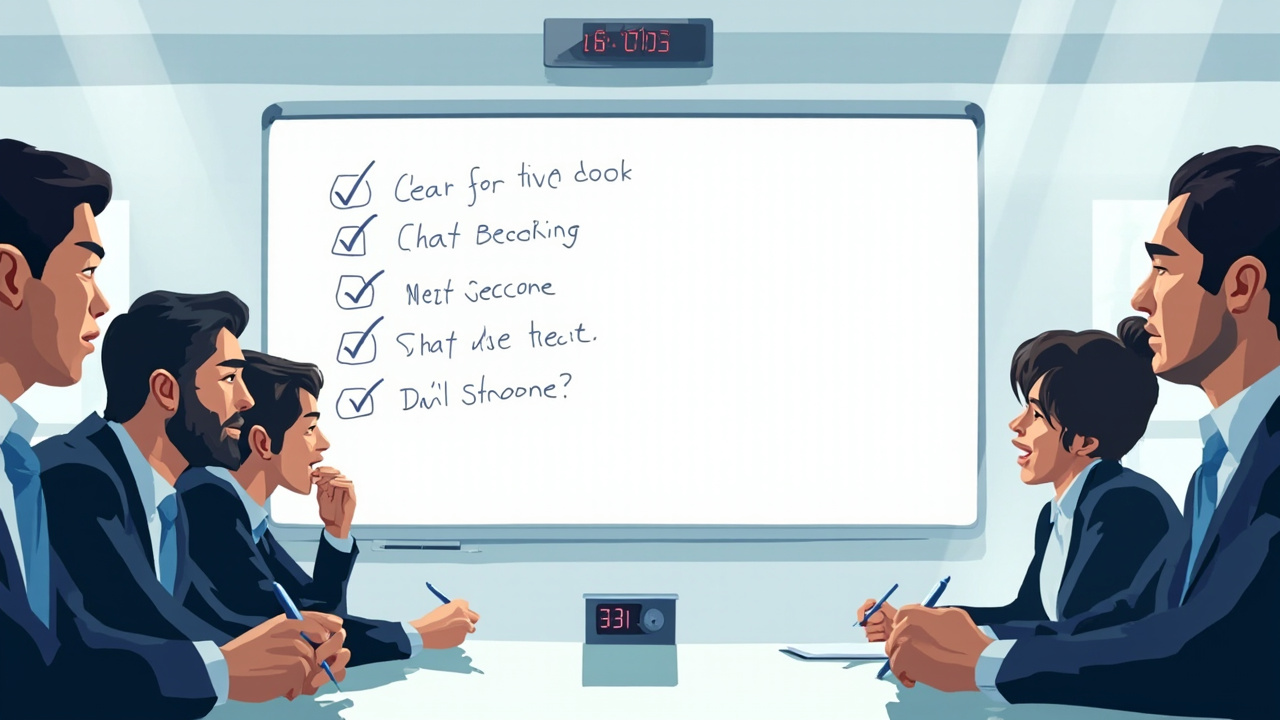
1. The Meeting Problem
Why Meetings Are Often Wasteful
Most meetings fail because of common problems:
- No clear agenda or purpose
- Participants unprepared
- Discussion goes off-topic
- No clear decisions made
- Action items forgotten
- People attending who don’t need to be there
The True Cost of Bad Meetings
A one-hour meeting with 8 attendees costs 8 hours of productive time, plus multiple context switches before and after, preparation time for each attendee, and lost momentum on other work.
When Meetings Are Necessary
Meetings are valuable when:
- Decisions require real-time discussion
- Complex problems need collaborative input
- Alignment requires hearing all perspectives
- Team building and relationship development
2. Before the Meeting: Preparation
The Pre-Meeting Checklist
Before scheduling, ask:
- What decision needs to be made?
- What input is needed from others?
- Who absolutely must attend?
- Could this be handled asynchronously?
Writing an Effective Agenda
Every meeting needs an agenda including:
- Title, date, time, location/dial-in
- Duration
- Facilitator
- Agenda items with purpose and time allocation
3. Running Effective Meetings
Starting Strong
Start on time, every time. Waiting for latecomers rewards lateness and punishes punctuality.
First 5 Minutes:
- State the meeting purpose clearly
- Review the agenda
- Confirm time allocations
- Clarify your role as facilitator
Facilitation Techniques
Keep Discussion on Track:
- “Let’s come back to that point—right now we’re discussing [topic].”
- “Can we capture that for a future discussion?”
Manage Participation:
- Draw out quiet voices: “What do you think, Alex?”
- Curb dominant voices: “Thanks, Jordan. What do others think?”
4. Decision-Making in Meetings
Types of Decisions
Clarify what kind of decision is needed:
Binary decisions: Yes/no, approve/reject
Multiple choice: Choose from options A, B, C
Open decisions: Generate and evaluate options together
Decision-Making Methods
Voting: For multiple options—thumbs up/down for quick pulse, dot voting for prioritization.
Consensus: Everyone agrees to support—not unanimity, but commitment.
Authority: One person decides—useful for time-sensitive decisions.
5. Action Items and Follow-Through
Capturing Action Items
Every action item needs:
- What: Specific task
- Who: Responsible person
- When: Deadline
Format: “[Action] - [Name] - [Due date]”
Ending the Meeting
Reserve last 5 minutes for close:
- Review all action items
- Confirm owners and dates
- Summarize decisions made
- Clarify next steps
6. After the Meeting
Sending Meeting Notes
Send within 24 hours:
- Decisions made
- Action items with owners
- Key discussion points
- Next meeting date/time
Following Up
Track open items:
- Send reminders 1-2 days before deadlines
- Confirm completion
- Escalate blockers promptly
7. Virtual Meeting Best Practices
Before the Meeting
- Test technology 15 minutes before
- Share dial-in info clearly
- Send agenda and prep materials in advance
During the Meeting
- Camera On: Build connection and engagement
- Mute Strategically: Mute when not speaking
- Engagement: Ask questions by name, use chat for input
Conclusion
Meetings are necessary but often wasteful. By preparing thoroughly, running focused sessions, capturing decisions and action items, and following up consistently, you can transform meetings from time sinks into powerful tools for collaboration and progress.
中文版 | English Version | 返回首页
This article is also available in Chinese version