

“The things you own end up owning you.”
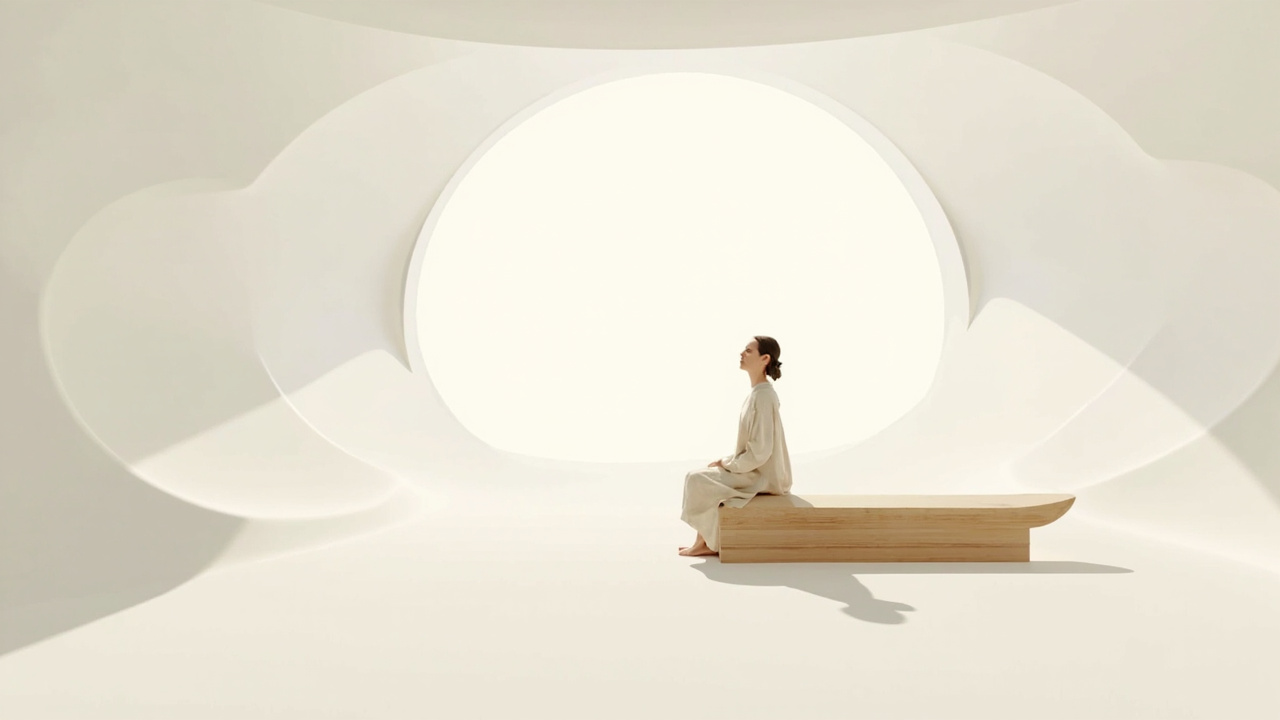
Minimalism isn’t about deprivation—it’s about making room for what matters. By intentionally reducing physical, digital, and mental clutter, you create space for experiences, relationships, and purpose. This guide will help you adopt a minimalist mindset for greater freedom and fulfillment.
1. Understanding Minimalism
What Minimalism Is
Minimalism means:
- Intentionality with possessions
- Focus on what adds value
- Freedom from excess
- Clarity of purpose
- Quality over quantity
What Minimalism Isn’t
- Owning nothing
- Deprivation or austerity
- Following strict rules
- Being cheap or frugal
2. Benefits of Minimalism
Mental Benefits
Less clutter means:
- Reduced decision fatigue
- Lower stress levels
- Greater clarity
- More mental space
- Increased focus
Practical Benefits
- Less time cleaning and organizing
- Lower expenses
- Easier to move
- More space at home
- Reduced environmental impact
3. Decluttering Your Space
The Declutter Process
Systematic approach:
- Start with one area
- Sort into categories
- Ask: Does this add value?
- Remove what doesn’t
- Organize what remains
Decision Framework
For each item:
- Have I used this in the past year?
- Does it bring me joy or serve a purpose?
- Would I buy it again today?
- Can someone else use it more?
4. Digital Minimalism
Managing Digital Clutter
Reduce digital noise:
- Unsubscribe from emails
- Remove unused apps
- Organize files and folders
- Limit social media
- Curate information sources
Digital Boundaries
- Set screen time limits
- Create phone-free zones
- Batch digital tasks
- Use technology intentionally
5. Mental Minimalism
Simplifying Thoughts
Reduce mental clutter:
- Practice mindfulness
- Journal to process thoughts
- Limit information intake
- Focus on priorities
- Let go of perfectionism
Saying No
Protect your time:
- Decline non-essential commitments
- Focus on what matters most
- Value quality over quantity
- Create space for rest
6. Minimalist Practices
One In, One Out
When acquiring something new:
- Remove something old
- Maintain balance
- Prevent accumulation
- Be intentional
The 90/90 Rule
For items you’re unsure about:
- Have you used it in the last 90 days?
- Will you use it in the next 90 days?
- If no to both, let it go
Conclusion
Minimalism creates space for what matters. By decluttering physical, digital, and mental space, you reduce stress, increase focus, and find greater freedom. Start small, be intentional, and discover that less truly can be more.
中文版 | English Version | 返回首页
This article is also available in Chinese version