

“Let food be thy medicine and medicine be thy food.”
Healthy eating isn’t about strict diets or deprivation—it’s about nourishing your body with the nutrients it needs to thrive. Understanding nutrition basics helps you make informed choices that support your health goals. This guide provides a foundation for healthy eating.
1. Nutrition Fundamentals
Macronutrients
Carbohydrates:
- Primary energy source
- Choose complex carbs (whole grains, vegetables)
- Limit refined sugars
Proteins:
- Build and repair tissues
- Sources: meat, fish, eggs, beans, dairy
- Essential for muscle maintenance
Fats:
- Energy and nutrient absorption
- Choose healthy fats (olive oil, nuts, avocado)
- Limit saturated and trans fats
Micronutrients
Vitamins and minerals:
- Essential for body functions
- Get from varied diet
- Consider supplementation if needed
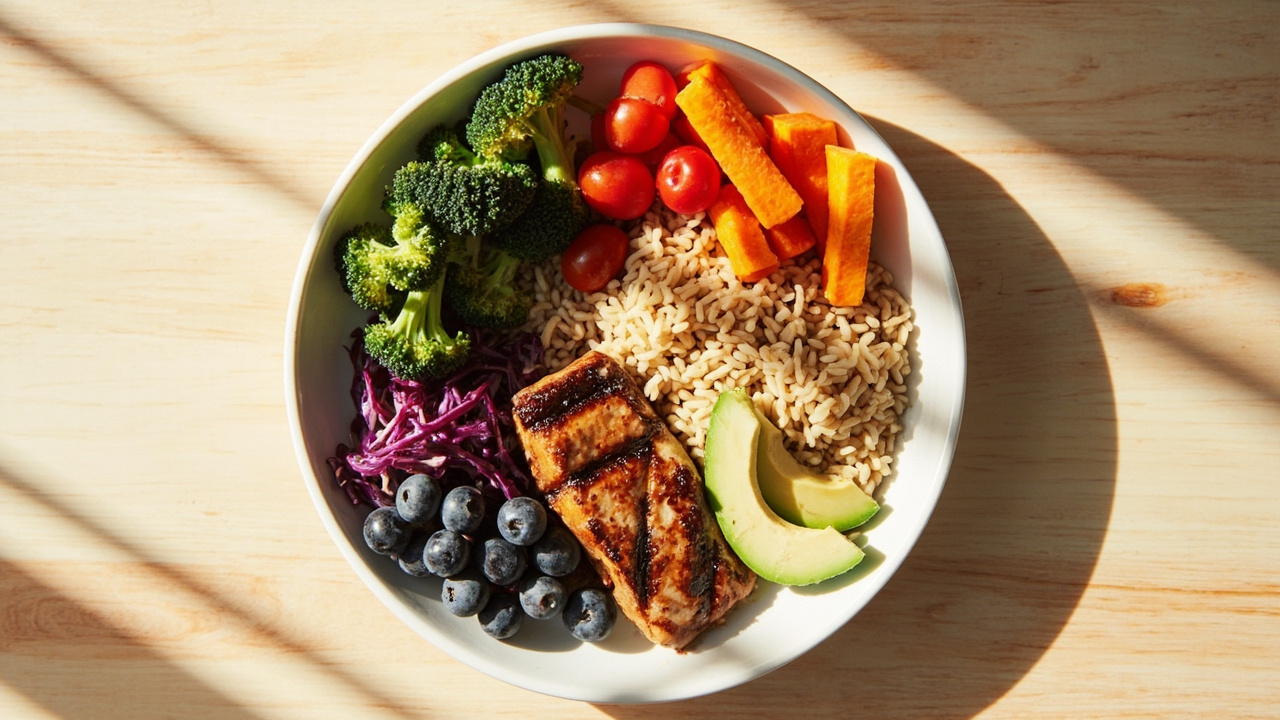
2. Building a Healthy Plate
The Balanced Plate
Visual guide:
- Half plate: Vegetables and fruits
- Quarter plate: Lean protein
- Quarter plate: Whole grains
- Small amount: Healthy fats
Portion Control
Manage portions:
- Use smaller plates
- Measure servings initially
- Listen to hunger cues
- Stop when satisfied, not full
3. Healthy Eating Habits
Meal Planning
Plan for success:
- Plan meals weekly
- Shop with a list
- Prep ingredients ahead
- Cook at home more
Mindful Eating
Pay attention while eating:
- Eat slowly
- Chew thoroughly
- Notice flavors and textures
- Stop when satisfied
4. Foods to Emphasize
Nutrient-Dense Foods
Prioritize:
- Vegetables (variety of colors)
- Fruits (whole, not juice)
- Whole grains
- Lean proteins
- Healthy fats
Hydration
Drink plenty of water:
- 8 glasses daily minimum
- More when active
- Limit sugary drinks
- Herbal teas count
5. Foods to Limit
Reduce These
- Added sugars
- Processed foods
- Excessive salt
- Unhealthy fats
- Alcohol
Reading Labels
Check nutrition labels:
- Serving size
- Calories
- Sugar content
- Sodium levels
- Ingredient list
6. Special Considerations
Diet Types
Consider what works for you:
- Mediterranean diet
- Plant-based eating
- Low-carb approaches
- Intermittent fasting
Individual Needs
Everyone is different:
- Age and activity level
- Health conditions
- Food allergies or intolerances
- Personal preferences
Conclusion
Healthy eating is a sustainable lifestyle, not a temporary diet. Focus on whole foods, balanced nutrition, mindful eating, and hydration. Small changes add up to significant health improvements over time.
中文版 | English Version | 返回首页
This article is also available in Chinese version