

“Good posture is a reflection of good health.”
Poor posture has become an epidemic in the digital age. Hours spent hunched over screens lead to back pain, neck strain, and reduced confidence. Improving posture isn’t just about appearance—it’s about health and well-being. This guide will help you improve your posture.
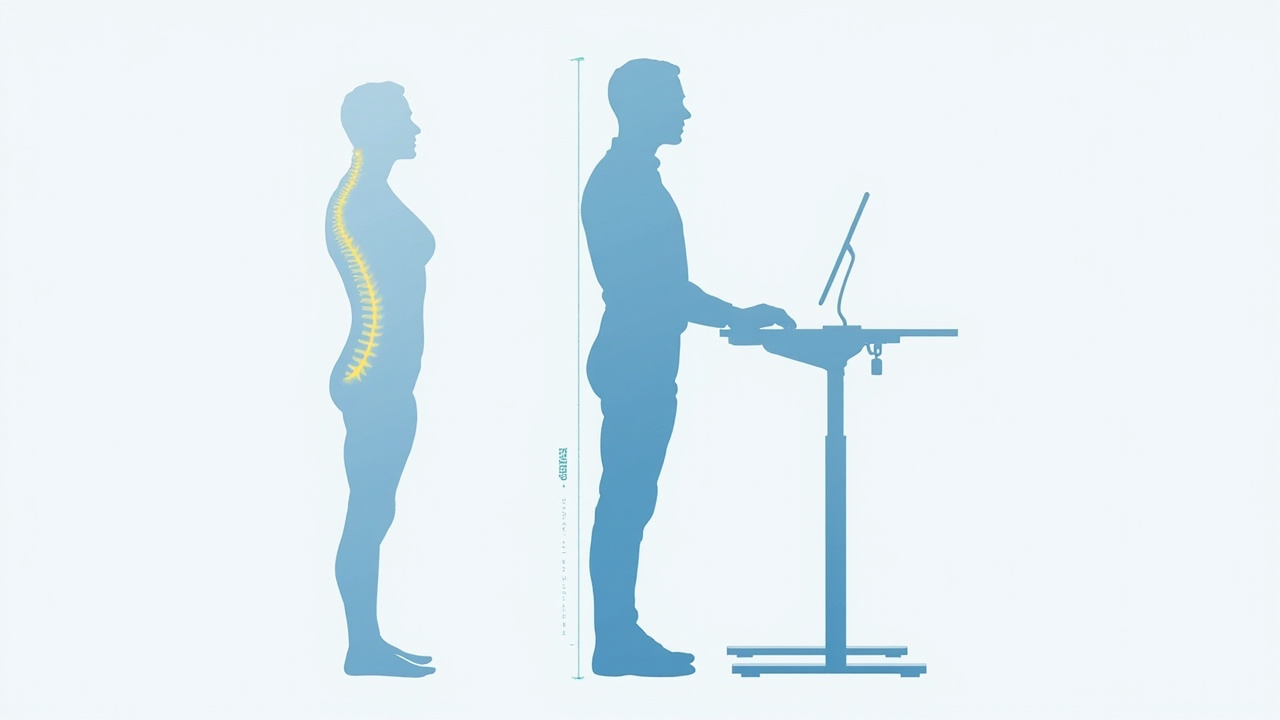
1. Understanding Posture
What Is Good Posture?
Good posture means:
- Ears aligned over shoulders
- Shoulders back and relaxed
- Spine in neutral position
- Weight evenly distributed
- Core engaged
Why Posture Matters
Good posture:
- Reduces pain and strain
- Improves breathing
- Boosts confidence
- Prevents injury
- Enhances appearance
2. Common Posture Problems
Desk Posture
Common issues:
- Forward head position
- Rounded shoulders
- Slouching
- Crossed legs
Phone Posture
“Text neck”:
- Head forward looking at phone
- Increased neck strain
- Rounded upper back
- Shoulder tension
3. Ergonomic Setup
Desk Ergonomics
Proper setup:
- Monitor: Eye level, arm’s length
- Chair: Feet flat, knees at 90°
- Keyboard: Elbows at 90°, wrists neutral
- Mouse: Close to keyboard
Standing Desk
If available:
- Alternate sitting and standing
- Proper height adjustment
- Anti-fatigue mat
- Comfortable shoes
4. Posture Exercises
Stretching
Relieve tight muscles:
- Chest stretches
- Neck stretches
- Hip flexor stretches
- Hamstring stretches
Strengthening
Build supporting muscles:
- Core exercises
- Back exercises
- Shoulder exercises
- Glute exercises
5. Daily Posture Habits
Sitting Habits
While sitting:
- Sit back in chair
- Use lumbar support
- Take breaks every 30 minutes
- Stretch regularly
Standing Habits
While standing:
- Weight evenly distributed
- Shoulders back
- Core engaged
- Chin tucked
6. Posture Reminders
Building Awareness
Stay aware:
- Set posture reminders
- Check alignment regularly
- Use mirrors for feedback
- Practice mindful sitting
Technology Help
Use tools:
- Posture apps
- Ergonomic accessories
- Lumbar supports
- Standing desk converters
Conclusion
Good posture is a habit that improves health, reduces pain, and boosts confidence. Set up your workspace ergonomically, do posture exercises daily, take regular breaks, and build awareness of your alignment.
中文版 | English Version | 返回首页
This article is also available in Chinese version