

“Food can’t fix emotional problems—but it’s easy to reach for it when we’re stressed.”
Stress eating—using food to cope with emotions—is a common response to difficult feelings. While it provides temporary comfort, it often leads to guilt, health problems, and doesn’t address the underlying issue. This guide will help you understand and overcome emotional eating.
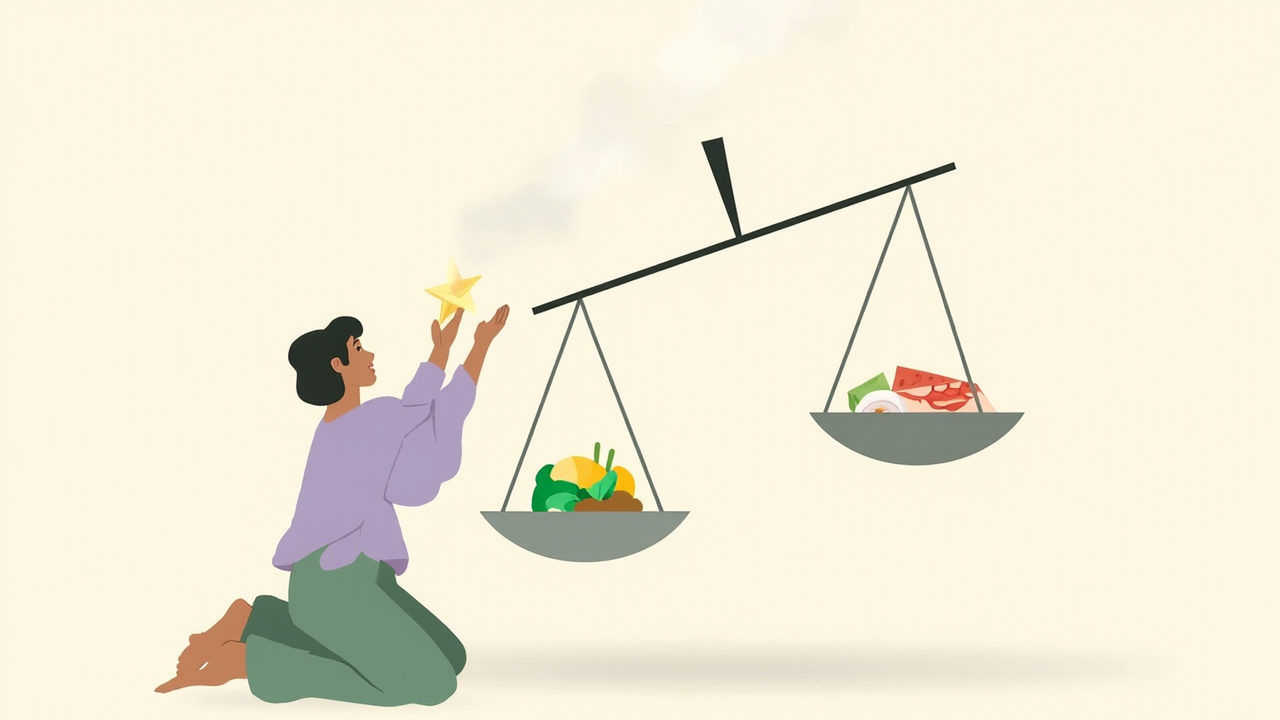
1. Understanding Stress Eating
What Is Stress Eating?
Stress eating involves:
- Eating in response to emotions, not hunger
- Using food for comfort
- Craving specific “comfort foods”
- Eating when bored, stressed, or upset
Why We Stress Eat
Biological reasons:
- Stress increases cortisol
- Cortisol triggers cravings
- Comfort foods activate reward centers
- Temporary relief reinforces behavior
2. Identifying Triggers
Emotional Triggers
Common triggers:
- Stress and anxiety
- Boredom
- Loneliness
- Sadness
- Frustration
Environmental Triggers
Situational factors:
- Certain locations
- Time of day
- Social situations
- Specific activities
3. Breaking the Cycle
Awareness
Notice patterns:
- Keep a food and mood journal
- Identify emotional triggers
- Recognize physical vs. emotional hunger
- Understand your patterns
Alternatives to Eating
Healthy coping strategies:
- Deep breathing
- Walking or exercise
- Calling a friend
- Journaling
- Meditation
4. Mindful Eating
Eating with Awareness
Practice mindful eating:
- Eat slowly
- Notice hunger cues
- Savor flavors
- Stop when satisfied
Distinguishing Hunger
Physical vs. emotional hunger:
Physical hunger: Gradual, satisfied by food, no guilt
Emotional hunger: Sudden, specific cravings, guilt follows
5. Building Healthy Habits
Regular Meals
Prevent extreme hunger:
- Eat regular meals
- Don’t skip meals
- Include protein and fiber
- Stay hydrated
Environment Design
Make healthy choices easier:
- Keep healthy snacks available
- Remove trigger foods
- Create eating spaces
- Don’t eat from packages
6. Emotional Wellness
Addressing Root Causes
Deal with emotions directly:
- Identify underlying feelings
- Develop healthy coping skills
- Seek support when needed
- Practice self-compassion
Stress Management
Reduce overall stress:
- Regular exercise
- Adequate sleep
- Relaxation techniques
- Time management
Conclusion
Stress eating is a habit that can be changed. By identifying triggers, developing alternative coping strategies, practicing mindful eating, and addressing underlying emotions, you can break the emotional eating cycle and develop a healthier relationship with food.
中文版 | English Version | 返回首页
This article is also available in Chinese version